Akhtar ul-Iman
A Poet's Conscience in a Fractured World
Born in 1915 in Bijnor, Uttar Pradesh, Akhtar ul-Iman grew up in poverty and spent part of his childhood in an orphanage. He earned his MA from Aligarh University, but early hardship and displacement shaped a sharp, introspective sensibility. Expelled from Anglo-Arabic College for speaking his mind, he eventually made his way to Bombay, where in his late forties he wrote dialogues for over a hundred films, including Mughal-e-Azam and Waqt, earning acclaim and multiple awards. Yet he kept his poetry separate from cinema; his verse remained a moral and existential pursuit.
Poetry as Religion
Coming of age during the end of British rule, Partition, and the rise of modern South Asian cities, Akhtar rejected the traditional, melodic ghazal for the modernist nazm. Using raw, colloquial language, he confronted alienation, ethical tension, and the human costs of political upheaval. As he once put it, if he had to define his art in one word, it would be "religion" - a vocation devoted to conscience and ethical reflection.
In his poem Azaadi ke Baad, he confronts the human cost of nation-building:
Yeh ke gul jo is khoon o mitti se mil kar bani, kis imarat ki buniyaad ho gi?
Woh dharti jahan aag boli gayi hai, hui bhi to kis tarah aabaad hogi?
Yeh khooni kahani jo kabhi gayi hai, mujhe yaad hai, kal kaise yaad ho gi?
This plaster of mud and straw, mixed with blood and earth -
For which building will it be the foundation?
This land where fire has been sown - how can it ever be settled?
This bloody story that has been written down - I remember it, but who will recall it tomorrow?
The Weight of Independence
Akhtar ul-Iman's poetry refuses easy consolation, offering a raw, unflinching portrait of a fractured postcolonial world, a South Asia negotiating the promises of independence against the weight of its human cost.
Akhtar ul-Iman
Poet · 2 recordings
Mera dost Abul-Haul
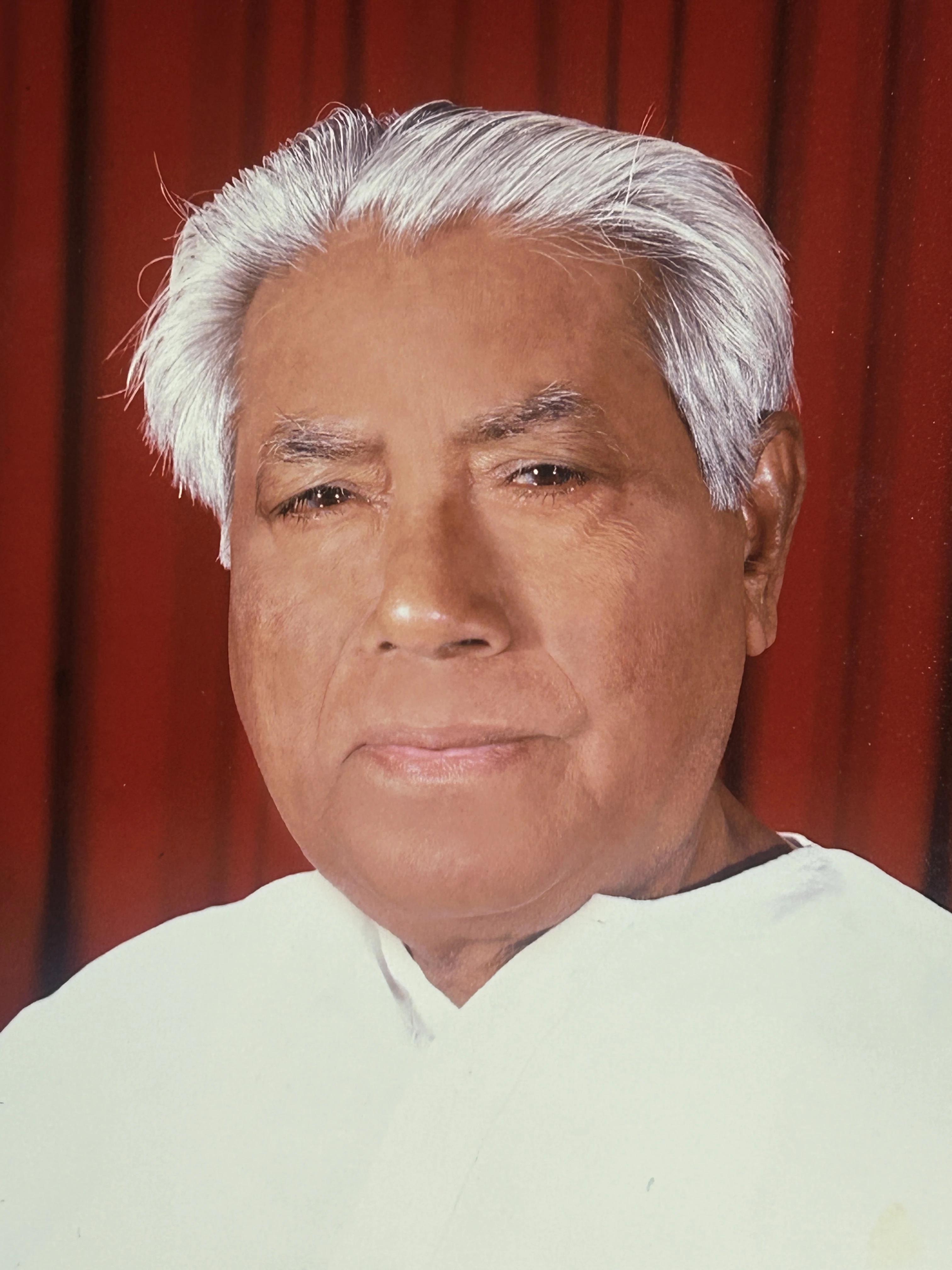
Akhtar ul-Iman
Born in 1915 in Bijnor, Uttar Pradesh, Akhtar ul-Iman grew up in poverty and spent part of his childhood in an orphanage. He earned his MA from Aligarh University, but early hardship and displacement shaped a sharp, introspective sensibility. Expelled from Anglo-Arabic College for speaking his mind, he eventually made his way to Bombay, where in his late forties he wrote dialogues for over a hundred films, including Mughal-e-Azam and Waqt, earning acclaim and multiple awards. Yet he kept his poetry separate from cinema; his verse remained a moral and existential pursuit.
Coming of age during the end of British rule, Partition, and the rise of modern South Asian cities, Akhtar rejected the traditional, melodic ghazal for the modernist nazm. Using raw, colloquial language, he confronted alienation, ethical tension, and the human costs of political upheaval. As he once put it, if he had to define his art in one word, it would be "religion" - a vocation devoted to conscience and ethical reflection.
In his poem Azaadi ke Baad, he confronts the human cost of nation-building:
Yeh ke gul jo is khoon o mitti se mil kar bani, kis imarat ki buniyaad ho gi?
Woh dharti jahan aag boli gayi hai, hui bhi to kis tarah aabaad hogi?
Yeh khooni kahani jo kabhi gayi hai, mujhe yaad hai, kal kaise yaad ho gi?
This plaster of mud and straw, mixed with blood and earth -
For which building will it be the foundation?
This land where fire has been sown - how can it ever be settled?
This bloody story that has been written down - I remember it, but who will recall it tomorrow?
Akhtar ul-Iman's poetry refuses easy consolation, offering a raw, unflinching portrait of a fractured postcolonial world, a South Asia negotiating the promises of independence against the weight of its human cost.