Hafeez Jalandhari
A Poet's Voice for a New Nation
Born in 1900 in Jalandhar to a family of limited means, Hafeez Jalandhari's rise from precarity to national laureate would later be folded into Pakistan's own narrative of nation-making. He left school early. He educated himself instead in the Urdu classical canon, writing his first couplet at seven and sustaining himself through a succession of jobs, such as porter, tailor, perfume seller, before earning recognition as a poet.
Giving the State Its Voice
In 1954, he wrote the lyrics of the national anthem, giving the new state its ceremonial voice. Where Faiz Ahmed Faiz cultivated the language of dissent, Hafeez fashioned a vocabulary of statehood. He sought to anchor the fragile state in a grand civilizational past, most notably in his multi-volume Shahnama-e-Islam, a versified history modeled on epic tradition. Through it, he translated Islamic history into poetic continuity, offering legitimacy where political foundations still felt unsettled.
Cultural Authority
The state rewarded him. He held senior cultural posts, including Director General of Morals for the Pakistan Armed Forces, and advised President Ayub Khan. His verse moved easily between popular cadence and official rhetoric.
A Different Kind of Poet
Hafeez represents a different approach to poetry and its place in history. If Josh wielded verse as a weapon and Faiz turned it into witness, Hafeez used it to stabilize and sanctify the nation-state. His career invites a harder question: when poetry becomes the voice of the state, what does it choose to remember, and what does it leave out?
Hafeez Jalandhari
Poet · 3 recordings
Qaumi Tarana - Pak Sar Zameen
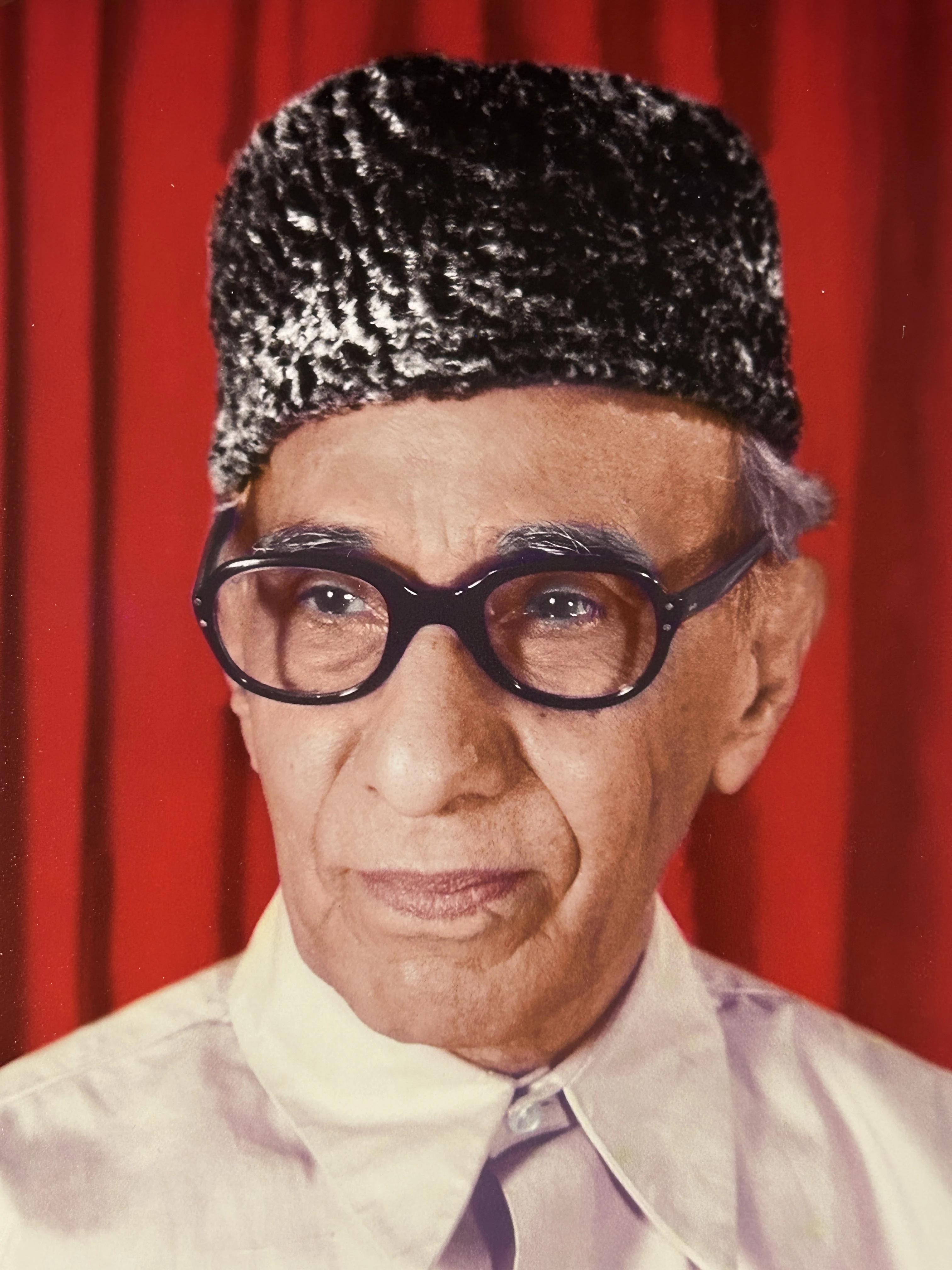
Hafeez Jalandhari
Born in 1900 in Jalandhar to a family of limited means, Hafeez Jalandhari's rise from precarity to national laureate would later be folded into Pakistan's own narrative of nation-making. He left school early. He educated himself instead in the Urdu classical canon, writing his first couplet at seven and sustaining himself through a succession of jobs, such as porter, tailor, perfume seller, before earning recognition as a poet.
In 1954, he wrote the lyrics of the national anthem, giving the new state its ceremonial voice. Where Faiz Ahmed Faiz cultivated the language of dissent, Hafeez fashioned a vocabulary of statehood. He sought to anchor the fragile state in a grand civilizational past, most notably in his multi-volume Shahnama-e-Islam, a versified history modeled on epic tradition. Through it, he translated Islamic history into poetic continuity, offering legitimacy where political foundations still felt unsettled.
The state rewarded him. He held senior cultural posts, including Director General of Morals for the Pakistan Armed Forces, and advised President Ayub Khan. His verse moved easily between popular cadence and official rhetoric.
Hafeez represents a different approach to poetry and its place in history. If Josh wielded verse as a weapon and Faiz turned it into witness, Hafeez used it to stabilize and sanctify the nation-state. His career invites a harder question: when poetry becomes the voice of the state, what does it choose to remember, and what does it leave out?