Josh Malihabadi
Fury and Verse
Born Shabbir Hasan Khan in 1898 in Malihabad, and known widely as Shayar-e-Inqilab (the poet of revolution), Josh Malihabadi's commitment to justice has always been unmistakable. When the British colonial state executed Bhagat Singh in 1931, he answered with a searing indictment of imperial violence:
Voh Bhagat Singh jis ke gham mein ab bhi dil naashaad hai
Us ki gardan mein jo daala tha voh phanda yaad hai.
That Bhagat Singh whose memory still fills the heart with sorrow - surely you remember the noose you put round his neck.
Verse as Weapon
From the first, Josh refused patronage when it demanded silence. While serving in Hyderabad as a literary supervisor, he wrote a nazm against the Nizam and paid for it with exile - the first of many public clashes. Later, he edited the journals Kalim and Naya Dawr, in which he recast classical poetic forms as political fire. His poem East India Company ke farzindon se named and confronted both imperial agents and their local collaborators, and before long, the poem, along with the journal Kalim in which it appeared, was banned. He wielded verse as a weapon.
Loss and the Cost of Justice
However, the violence of 1947 left him torn, grappling with questions of belonging and shaken by the devastation around him. In that moment of anguish, he wrote:
Apna gala kharosh-e tarannum se phat gaya,
Talvaar se bacha, to rag-e gul se kat gaya.
The strain of song tore our throats; we escaped the sword, but were beheaded by the rose's vein.
Despite his close ties to the Congress Party and Nehru, his commitment to Urdu's plural possibilities resulted in him moving to Pakistan in 1956. There, he refused to bend to religious-nationalist expectations or flatter those in power. Under General Zia ul-Haq, authorities removed his work from curricula and steadily pushed him to the margins. When he died in 1982, the state even discouraged public memorials in his name. Still, his verses endure.
Refusing Easy Loyalties
Josh refused easy loyalties. He indicted power, challenged inherited obedience, and imagined a plural and just public life through the force of poetic address.
Josh Malihabadi
Poet · 1 recording
Sadr-e-Pakistan se Khitab
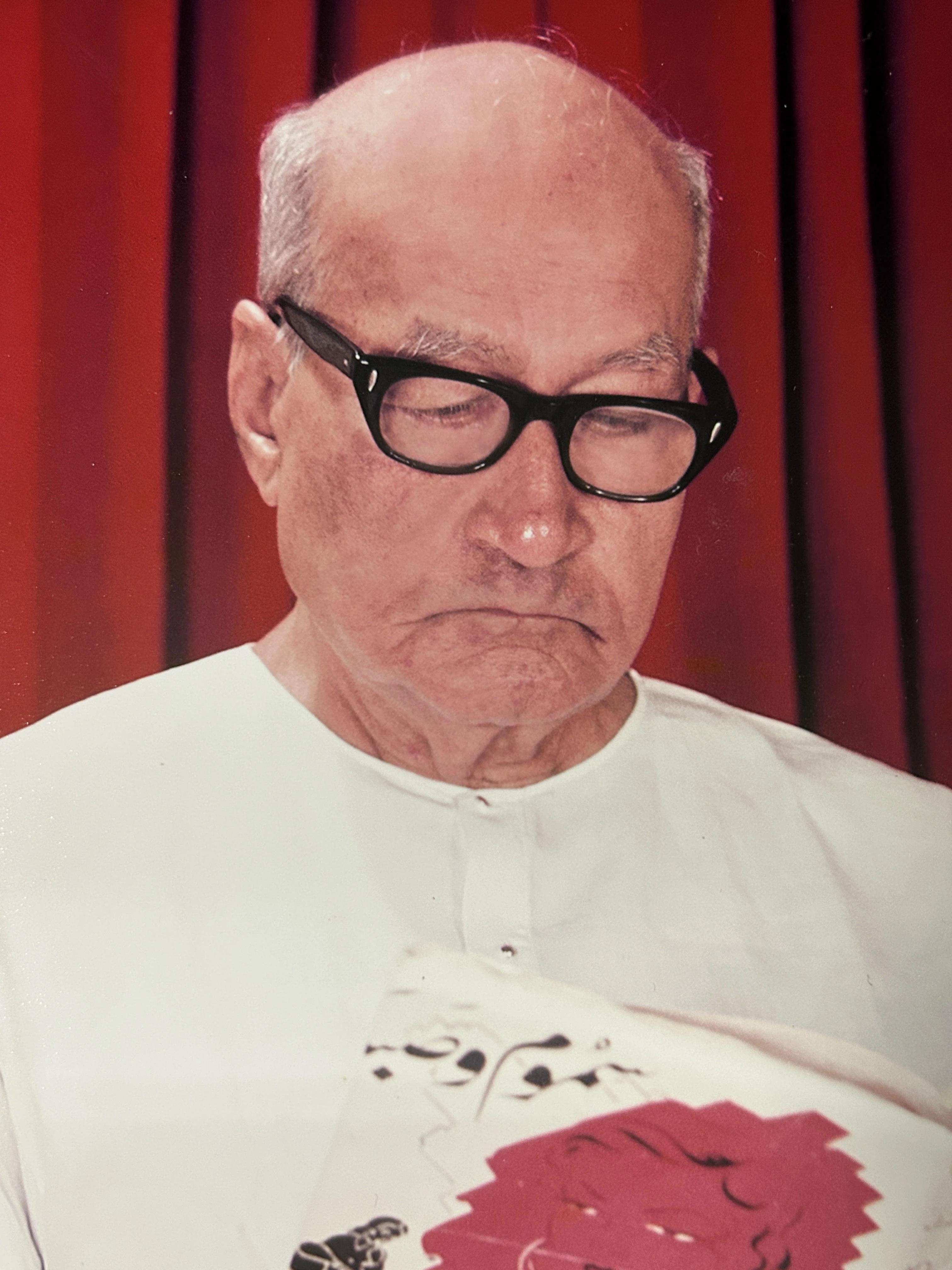
Josh Malihabadi
Born Shabbir Hasan Khan in 1898 in Malihabad, and known widely as Shayar-e-Inqilab (the poet of revolution), Josh Malihabadi's commitment to justice has always been unmistakable. When the British colonial state executed Bhagat Singh in 1931, he answered with a searing indictment of imperial violence:
Voh Bhagat Singh jis ke gham mein ab bhi dil naashaad hai
Us ki gardan mein jo daala tha voh phanda yaad hai.
That Bhagat Singh whose memory still fills the heart with sorrow - surely you remember the noose you put round his neck.
From the first, Josh refused patronage when it demanded silence. While serving in Hyderabad as a literary supervisor, he wrote a nazm against the Nizam and paid for it with exile - the first of many public clashes. Later, he edited the journals Kalim and Naya Dawr, in which he recast classical poetic forms as political fire. His poem East India Company ke farzindon se named and confronted both imperial agents and their local collaborators, and before long, the poem, along with the journal Kalim in which it appeared, was banned. He wielded verse as a weapon.
However, the violence of 1947 left him torn, grappling with questions of belonging and shaken by the devastation around him. In that moment of anguish, he wrote:
Apna gala kharosh-e tarannum se phat gaya,
Talvaar se bacha, to rag-e gul se kat gaya.
The strain of song tore our throats; we escaped the sword, but were beheaded by the rose's vein.
Despite his close ties to the Congress Party and Nehru, his commitment to Urdu's plural possibilities resulted in him moving to Pakistan in 1956. There, he refused to bend to religious-nationalist expectations or flatter those in power. Under General Zia ul-Haq, authorities removed his work from curricula and steadily pushed him to the margins. When he died in 1982, the state even discouraged public memorials in his name. Still, his verses endure.
Josh refused easy loyalties. He indicted power, challenged inherited obedience, and imagined a plural and just public life through the force of poetic address.